Emergency Water Extraction
Truck-mounted extractor and submersible pump work to remove standing water from carpet, hard floors, and crawl spaces. We extract until the surface is dry to the touch and the meter confirms no standing water remains.
Standing Water Removal in Hawaii means getting the water out fast, finding where it came from, and drying the structure before mold takes hold. HI Water Remover Pros handles flooded lanais, soaked carpet, and ponding in garages and crawl spaces across the islands. We run 24/7, show up with truck-mounted extractors and submersible pumps, and meter every room until it reads dry. One call and the water is gone.

Standing Water Removal in Hawaii is the process of extracting pooled water from floors, crawl spaces, and structural cavities, then drying the materials so mold cannot colonize within 24 to 48 hours. It is not a shop vac job. We use a truck-mounted water extractor pulling 12 to 15 inches of mercury, submersible pumps for anything deeper than two inches, and moisture meters and thermal imaging cameras to find water hiding under vinyl, tile, and baseboards. Extraction is step one. Structural drying is what keeps the job from coming back.
Hawaii homes deal with water intrusion from every direction. Trade-wind rain drives through roof flashing in Waimanalo Beach and Kapaau, slab leaks push water up through concrete in Ewa Beach, and AC condensate lines clog in Kapolei condos during the humid months. When you need to remove standing water in Hawaii, waiting a day matters. Mold spores germinate in under 48 hours at island humidity levels, and wood flooring starts to cup within 12. Call (833) 640-1438 and we roll a truck.
Every job is different, but the core service covers extraction, drying, and verification. Here is what is included when we roll a truck. Anything beyond this scope, like reconstruction or plumbing repair, we quote separately before we start.
Truck-mounted extractor and submersible pump work to remove standing water from carpet, hard floors, and crawl spaces. We extract until the surface is dry to the touch and the meter confirms no standing water remains.
We use moisture meters, thermal imaging cameras, and infrared thermometers to map saturation in walls, ceilings, and floors. Every reading is logged and photographed for your records and your insurance claim.
Air movers, commercial dehumidifiers, and desiccant units are placed based on room size and material type. We follow IICRC S500 drying standards and adjust equipment daily based on readings.
Affected surfaces get treated with antimicrobial solution to stop bacteria and mold growth after water damage. This is standard on every job, not an upsell.
We come back each day to log moisture readings, adjust equipment, and check for any missed saturation. You get a report at the end showing the dry-down curve from start to finish.
Before we pull equipment, we walk the property with you and confirm every material is at or below dry standard. You see the numbers. No guessing, no hand-waving.
You call (833) 640-1438, describe what you are seeing, and we dispatch the nearest crew. Most Hawaii metro areas see a truck within 60 to 90 minutes. We ask about the source, the square footage, and whether the water is clean, gray, or sewage so we bring the right equipment.
A technician walks the property with a moisture meter and thermal imaging camera. We check baseboards, crawl space access, and slab edges for hidden saturation. If the source is a slab leak, burst pipe, or AC condensate overflow, we identify it before extraction so the water does not come right back.
Truck-mounted extractors handle most carpet and hard-surface jobs. For deeper water, we drop a submersible pump and discharge through sump pump discharge lines. A typical 500-square-foot room takes 45 to 90 minutes to extract. We work room by room and check readings as we go.
We place air movers every 10 to 16 feet and run commercial dehumidifiers like Dri-Eaz or Phoenix Restoration Equipment units to pull moisture from the air. Desiccant dehumidifiers go in crawl spaces where refrigerant units cannot keep up. Drying typically runs two to four days depending on material.
We return daily to log moisture readings. When framing hits 12 to 15 percent and drywall hits under 1 percent on a pin meter, we pull equipment. You get a final report with photos, readings, and a summary of what was dried. We do not pack up until the numbers say dry.

You call (833) 640-1438, describe what you are seeing, and we dispatch the nearest crew. Most Hawaii metro areas see a truck within 60 to 90 minutes. We ask about the source, the square footage, and whether the water is clean, gray, or sewage so we bring the right equipment.
Pulls 12 to 15 inches of mercury to extract water from carpet, pad, and subfloor seams faster and deeper than any portable unit.
Used for standing water deeper than two inches in crawl spaces, garages, and flooded rooms. Discharges through sump pump discharge lines.
Commercial-grade refrigerant and desiccant dehumidifiers that pull moisture from the air and speed structural drying.
Finds hidden water behind walls, under floors, and in ceiling cavities without tearing anything open.
Lets us see inside wall cavities and crawl spaces to confirm saturation and verify drying without demolition.
Air movers accelerate evaporation at the surface. Air scrubbers with HEPA filters capture mold spores and particulates during and after extraction.
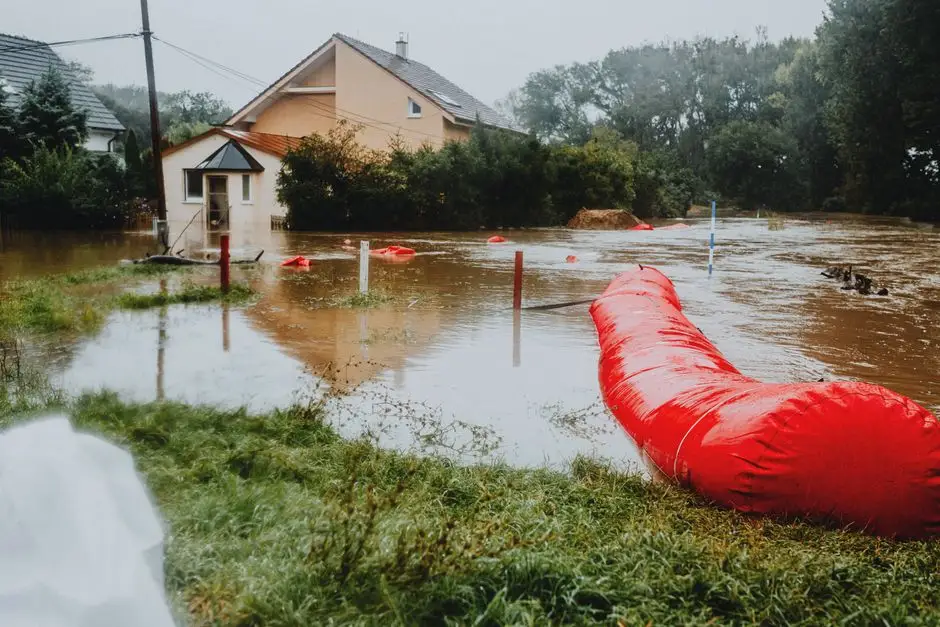
A clogged AC condensate line dumped water across a 400-square-foot hallway and two bedrooms in a Kapolei condo. Carpet was soaked, baseboards were wicking water, and the unit below had a ceiling stain. The homeowner called at 7 a.m. and we had a truck on site by 8:15.
After: We extracted 40 gallons of standing water, pulled the carpet pad, and set up air movers and a Dri-Eaz dehumidifier. Four days later, all materials read dry on the meter. The homeowner avoided a full carpet replacement and the downstairs neighbor's ceiling was dried without a tear-out.
Book this service →
A slab leak pushed water up through 600 square feet of vinyl plank flooring in an Ewa Beach rental. The tenant noticed cupping and a musty smell. A moisture meter read 28 percent in the affected area. The property manager needed it dried fast to keep the tenant in place.
After: We mapped the saturation with a thermal imaging camera, extracted what we could from the surface, and ran desiccant dehumidifiers for four days. The flooring was saved, moisture readings dropped to 10 percent, and the plumber repaired the slab leak. No mold, no tenant relocation.
Book this service →
A Kona storm pushed three inches of water into a Waimanalo Beach garage and laundry room. The water was creeping toward the living room door. The homeowner called at 10 p.m. and we dispatched a crew within the hour.
After: We pumped out the standing water with a submersible pump, extracted the rest with a truck-mounted unit, and treated the slab and baseboards with antimicrobial solution. Air movers and a dehumidifier ran for three days. Final readings confirmed the slab was dry and no mold had started.
Book this service →Standing water comes from a dozen different sources, and each one needs a different approach. Here are the most common problems we handle and what happens if they are ignored.
Ask a pro →We use thermal imaging and moisture meters to map the saturation, extract what we can from the surface, and dry the slab and flooring from above. We coordinate with a licensed plumber for the slab repair so the water stops at the source.
We extract the standing water, dry the ceiling and walls, and clear the drain line. In multi-unit buildings we document the source and scope so your HOA and insurance carrier have what they need.
We pump out the crawl space with submersible pumps, run desiccant dehumidifiers, and inspect joists and insulation with a boroscope inspection camera. We treat the space with antimicrobial and verify dryness before closing it up.
We shut off the water if it is still running, extract the standing water, and set up drying equipment. We coordinate with a licensed plumber for pipe repair couplings or water heater replacement so the fix is permanent.
“Our AC condensate line clogged and we had standing water across the whole hallway and into two bedrooms. HI Water Remover Pros showed up in about an hour, pulled the water with a truck-mounted unit, and set up air movers and a dehumidifier. Three days later everything read dry on their meter. They saved our engineered wood floors. Worth every dollar.”
Marcus K.Homeowner, Kapolei
✓ Verified“After a bad storm, our garage had about three inches of standing water and it was creeping toward the house. The crew pumped it out, dried the slab, and treated everything with antimicrobial. They also documented the whole thing for our insurance claim. The adjuster said it was the cleanest report he had seen.”
Leilani T.Homeowner, Waimanalo Beach
✓ Verified“We manage several rentals and had a slab leak push water up through a tenant's vinyl flooring. HI Water Remover Pros mapped the saturation with a thermal camera, extracted what they could, and dried the unit over four days. They kept us updated with daily readings. No mold, no complaints from the tenant, and the unit was back to normal fast.”
David R.Property Manager, Ewa Beach
✓ VerifiedMost residential jobs run $500 to $2,500, with the average around $1,200. Small extraction jobs under 200 square feet start near $350. Larger flooded areas with crawl space water or sewage contamination climb past $3,000. Your insurance carrier usually covers sudden water damage, and we document everything to IICRC S500 standards so the claim goes through clean.
HI Water Remover Pros covers the entire state, from Honolulu and Kapolei to Hilo, Kahului, and Lihue. We run 24/7 crews and dispatch the nearest truck. Call (833) 640-1438 and we will tell you the ETA before we hang up. Most metro areas see a technician within 60 to 90 minutes.
Yes. Mold can start growing in 24 to 48 hours at island humidity levels, and standing water can hide bacteria, sewage, and electrical hazards. If the water is near outlets or a panel, kill the breaker before you touch anything. We treat affected surfaces with antimicrobial solution and run HEPA-filtered air scrubbers as part of every extraction.
Extraction itself usually takes one to three hours for a typical room. Full structural drying runs two to four days depending on materials, humidity, and how long the water sat. Carpet and pad dry faster than hardwood or tile over a saturated subfloor. We log moisture readings daily and pull equipment only when the numbers say dry.
HI Water Remover Pros delivers standing water extraction Hawaii-wide, from Oahu to Maui, Kauai, and the Big Island. We run trucks out of multiple hubs so we can reach most neighborhoods within 60 to 90 minutes. Whether you need emergency standing water removal in Hawaii or a scheduled dry-out, we cover the whole state.
Two-story homes and upstairs bathrooms make supply line failures a common call. We extract the water, dry the ceiling below, and check wall cavities with a moisture meter.
↗ 02 NanakuliLeeward sun bakes the soil hard, so rain runs off instead of soaking in. Garage and driveway flooding is typical. We pump out standing water and dry the slab fast.
↗ 03 PukalaniUpcountry Maui gets cool, wet weather that slows drying. We run dehumidifiers longer and log daily readings to confirm the structure is dry, not just dry to the touch.
↗ 04 WaileaResort condos and high-end homes with AC condensate lines and slab-on-grade floors. We handle extraction, drying, and documentation for HOA and insurance needs.
↗ 05 Waimanalo BeachWindward rain drives water through roof flashing and door thresholds. Crawl space flooding is common in older single-wall homes. We pump out, dry, and treat with antimicrobial.
↗ 06 Mountain ViewBig Island rain and catchment systems mean roof leaks and crawl space water are frequent. We extract standing water and dry the structure before mold takes hold.
↗ 07 KoloaOlder plantation-era homes with raised foundations flood from the crawl space up. We pump out the crawl space, run desiccant dehumidifiers, and inspect joists with a boroscope.
↗ 08 KapaauNorth Kohala gets heavy windward rain. We check roof flashing, attic insulation, and wall cavities for hidden saturation on every job.
↗ 09 Ewa BeachSlab leaks and irrigation line failures push water up through floors with no visible source. We use thermal imaging to map the saturation and dry the slab from above.
↗ 10 KapoleiNewer slab-on-grade construction with AC condensate lines that clog during humid months. We see a lot of ceiling and hallway water damage here and handle it fast.
↗ 11 WaianaeLeeward flooding after Kona storms pools fast in garages and low-lying rooms. We stage pumps and extractors for these events and dry the structure in two to four days.
↗Water sitting on your floor is costing you every hour. Call HI Water Remover Pros at (833) 640-1438 and we will dispatch the nearest crew. Licensed, insured, and IICRC certified. We answer 24/7 and we show up when we say we will.
Call Now (833) 640-1438 →We answer the phone 24 hours a day, seven days a week, including holidays. Call (833) 640-1438 and a live dispatcher will take your address, ask what happened, and send the nearest crew. Most jobs get a same-day response across Oahu, Maui, Kauai and the Big Island.